

Ankara Summit: new horizons for Turkic cooperation and Uzbekistan’s strategic role
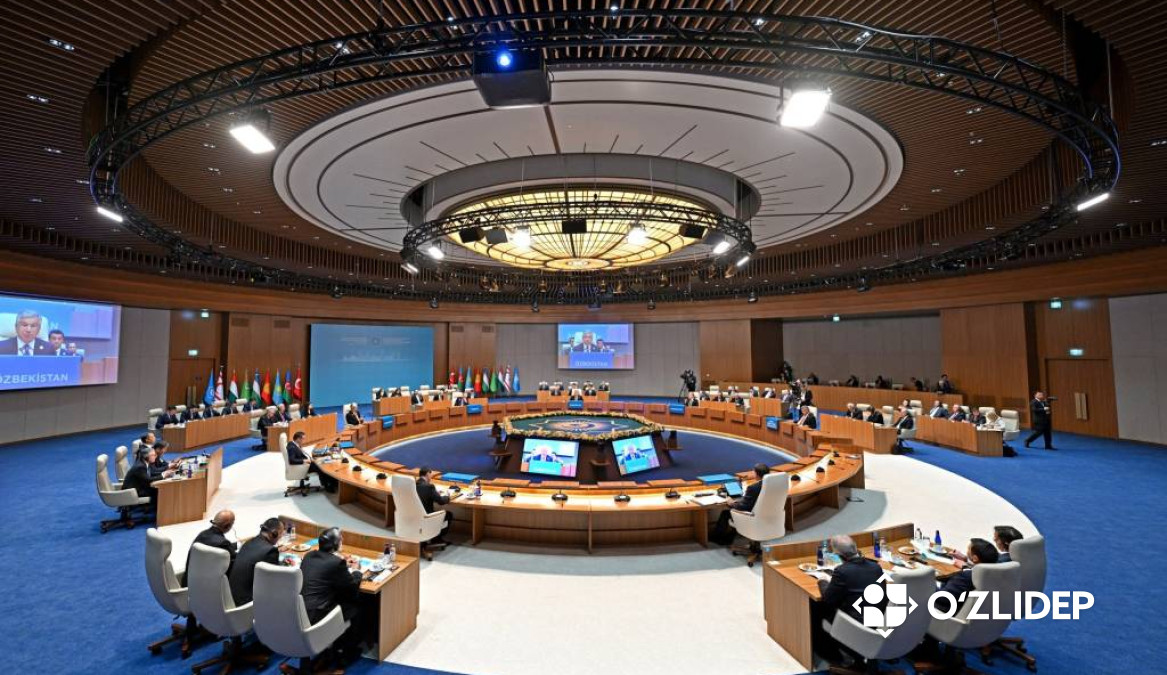
The 13th Summit of the Organization of Turkic States (OTS) was held in Ankara on October 30. The summit addressed key areas of cooperation, including foreign policy, trade, transport, industrial cooperation, the digital economy, education and culture. The declaration adopted at the summit outlined the organization’s political priorities for future activities. However, the significance of the agreements reached cannot be measured solely by their scope. The key question is how to translate the proposed initiatives into practical mechanisms and what tangible benefits they will bring to member states’ economies and populations. For Uzbekistan, advancing its national interests and making effective use of existing opportunities are particularly important in this process.
The readiness of individual countries is undoubtedly an important factor in implementing multilateral agreements. International practice offers different approaches to this issue. For example, within the Eurasian Economic Union, the Commission has the authority to adopt decisions that are binding on member states within its mandate. In the Association of Southeast Asian Nations (ASEAN), certain economic commitments may, by mutual agreement, initially be implemented by countries that are ready to do so. The institutional structure of the OTS differs from those of both organizations. Nevertheless, these experiences offer an important lesson for Uzbekistan: new procedures relating to trade, logistics and digital document exchange could first be tested with interested partners, with mechanisms that prove effective subsequently expanded within the OTS framework.
The motto “Turkic Century: Unity in Language, Thought and Deed” reflected the political spirit of the Ankara summit. However, historical and cultural ties do not automatically turn into economic benefits. To achieve tangible results, agreements between countries must be supported by practical mechanisms that make it easier for businesses to operate and create favorable conditions for trade and investment.
Political significance of the summit
The Ankara summit also focused on strengthening the institutional framework of the Organization of Turkic States. The agenda included finalizing the strategy for 2027-2031 based on the objectives set out in the Turkic World Vision 2040, continuing work on a draft treaty on strategic partnership, eternal friendship and brotherhood, and establishing a system of permanent representation. These efforts are intended to ensure that the organization’s activities extend beyond summit meetings and provide for regular coordination of the implementation of adopted decisions. The key challenge is to clearly define the powers and responsibilities of the new mechanisms and ensure they operate effectively in practice.
Another important consideration is that member states have different foreign policy priorities and economic partners. Accordingly, rather than establishing a common foreign policy, the declaration promotes coordinated positions on issues of shared concern through mutual support for candidates in international organizations and consultations among foreign ministers. The OTS’s efforts to obtain observer status at the United Nations General Assembly and the Organization of Islamic Cooperation, as well as its cooperation with third parties through the OTS Plus framework, follow the same approach. However, seeking observer status does not mean that it has been granted.
In the area of security, work continues to establish a council for cooperation in combating crime and to draft a memorandum on cybersecurity. Neither mechanism is operational yet. Nevertheless, their economic significance is considerable: as digital payments, electronic customs procedures and cargo information exchange expand, a cyberattack in one country could disrupt an entire supply chain. Among regional issues, Afghanistan is particularly important to Uzbekistan. Stability in that country directly affects the Trans-Afghan Railway project, access to southern markets and border security. The significance of statements on other conflicts will depend on the diplomatic steps that follow.
Uzbekistan: shaping new initiatives
In his address, the President of Uzbekistan put forward proposals covering industry, transport, commercial law, tourism, education and external partnerships. These included the “Turkic World 100” program, a treaty on mutual legal assistance in commercial matters, an electronic document exchange platform, a network of logistics hubs and the OTS Plus format. These initiatives form interconnected links in a single chain: attracting investment, organizing production, transporting goods and receiving payment under legally enforceable contracts. Uzbekistan’s role stands out in its proposal of an integrated approach covering the entire chain.
The second factor is geographical. Uzbekistan must cross the territory of at least two other states to reach seaports. In this context, the Middle Corridor, the China – Kyrgyzstan – Uzbekistan Railway and the Trans-Afghan transport route are not simply solutions to transport challenges. For Uzbekistan, they are also crucial to ensuring export stability.
The third factor is institutional. The appointment of Mirvohid Azimov as the new Secretary General of the Organization of Turkic States was announced. This is significant because it marks the first time a representative of Uzbekistan has been appointed to the position. However, the Secretary General serves the collective interests of all member states rather than those of any single country. The significance of the appointment should therefore be assessed primarily in terms of the institutional responsibility for implementing the organization’s programs. The 14th OTS Summit is scheduled to take place in Uzbekistan in 2027, while Kyrgyzstan’s initiative to host an informal summit that year was also supported. In addition, Uzbekistan’s assumption of the chairmanship of the Non-Aligned Movement in 2027 will provide an opportunity to give Uzbek initiatives greater international visibility during 2027-2029, although the two organizations’ agendas are not identical.
Turning economic potential into tangible results
According to the Center for Economic Research and Reforms, Uzbekistan’s trade turnover with member states of the Organization of Turkic States, as well as observer countries Turkmenistan and Hungary, reached $10.8 billion in 2025. This accounted for approximately 13 percent of the country’s total foreign trade turnover. Uzbekistan’s exports to these countries amounted to $3.8 billion, while estimates indicate the potential to increase exports by a further $2.7 billion. This represents additional export potential equivalent to nearly 71 percent of the current volume. Of course, such growth is not guaranteed. Realizing this potential will depend on product competitiveness, lower transport costs, removing technical trade barriers, and establishing reliable cooperation mechanisms.
Many of the obstacles are not apparent in formal agreements. These include differences in certification requirements and technical regulations, repeated cargo inspections at each border crossing, and documents required electronically in one country but on paper in another. Under such conditions, a joint manufacturing facility can lose its competitive advantage, limiting the expected returns on investment.
The “Turkic World 100” program proposed by the President of Uzbekistan aims to develop 100 joint investment and industrial projects. For Uzbekistan, key priorities include advanced processing of rare minerals, green-energy equipment, and high-value-added products. However, the initiative remains a proposal rather than an approved project portfolio. Important questions remain unresolved for each project, including where the technology will come from, who will purchase the products, how personnel will be trained, and the extent to which local suppliers will be involved.
The Turkic Investment Fund is a key financial institution supporting this cooperation. Headquartered in Istanbul, the Fund was initially established with an authorized capital of $500 million, which was increased to $600 million in February 2025. The Fund is designed to finance projects in trade, industry, transport, energy, digital infrastructure, and small and medium-sized enterprises. However, it would be incorrect to regard its authorized capital as funding already allocated to the “Turkic World 100” program. Each project is subject to a separate assessment of its economic viability, financial sustainability and potential risks. In this context, the Memorandum of Cooperation signed in February 2025 between the Fund and the Union of Turkic Chambers of Commerce and Industry is also significant. It could help connect investment projects with reliable business partners and potential financing sources.
One important initiative put forward by the President of Uzbekistan in legal cooperation is a proposal to develop a multilateral treaty on mutual legal assistance in commercial matters and establish an electronic document exchange platform. The Ankara Declaration, meanwhile, calls for continued work on a multilateral treaty on legal assistance in civil matters. Certain legal frameworks for cooperation in this area already exist. In particular, a bilateral treaty between Uzbekistan and Türkiye, in force since 1997, regulates the mutual recognition and enforcement of court judgments in civil and commercial cases. A new multilateral mechanism could harmonize existing agreements under common rules, simplify legal assistance procedures, and create more favorable conditions for businesses. In particular, electronic document exchange, clearly defined timeframes for processing requests and transparent procedures for enforcing court judgments could strengthen legal certainty in cross-border commercial relations.
The European Union’s eIDAS Regulation offers a valuable example of mutual recognition of electronic signatures. It demonstrates that ensuring the cross-border legal validity of electronic signatures requires not only common rules but also technical standards and reliable digital infrastructure. Establishing a similar mechanism among Turkic states would require more than simply adopting an agreement. The countries would also need to agree on the interoperability of national electronic signature systems, information security requirements and procedures for ensuring the legal validity of electronic documents.
Bilateral cooperation between Uzbekistan and Türkiye is also important in practice. Following high-level talks in Ankara on October 29, the two countries signed agreements to establish a High-Level Business Support Council, expand the list of goods covered by preferential trade arrangements, and introduce advance electronic exchange of information on goods and vehicles crossing customs borders. These are bilateral agreements rather than multilateral OTS decisions. Nevertheless, their implementation could provide valuable experience in simplifying trade procedures and improving digital information exchange. Successful bilateral mechanisms could subsequently serve as a basis for broader discussions among Turkic states.
Interdependence in transport and technology
The Middle Corridor, the China – Kyrgyzstan – Uzbekistan Railway, and the Zangezur and Trans-Afghan routes occupy a prominent place in transport cooperation. The declaration calls for developing a common strategy for these corridors and ensuring seamless freight transport along their entire length. However, building a new railway does not necessarily mean that goods will reach markets on time. If shipments are delayed at borders while awaiting document clearance, or if container transfers at ports take too long, the expected savings from new transport infrastructure may be lost. This is why reducing cargo clearance times and expanding the use of electronic permits and documents such as e-CMR are important priorities. The adoption of e-CMR and electronic permits varies across countries, and the effectiveness of transport corridors will depend on how far these differences can be reduced.
The proposed “Network of Logistics Complexes of Turkic States”, put forward by the President of Uzbekistan, must go beyond simply building warehouses. Information on cargo movements, terminal capacity, container transfers and the responsibilities of transport operators needs to be integrated into a unified system. In the Fergana Valley, demand may increase for processing facilities, warehouses and service providers supporting the eastern railway route. Along westbound routes, demand may grow for consolidating smaller shipments and providing terminal services. However, operators must assess actual freight flows and order volumes before developing any such facilities.
Digital cooperation is closely linked to transport. The Trans-Caspian fiber-optic cable network (the “Digital Silk Road”), the “Digital Turkic World” concept, consultations on artificial intelligence governance and efforts to secure mutual recognition of electronic signatures are all moving in the same direction. If another country does not legally and technically recognize electronic contracts and cargo information, the expected benefits of digitalization will be limited. For Uzbekistan, another important dimension is that involving high-quality Uzbek-language digital data, locally developed software solutions, and cybersecurity specialists in this cooperation could open new markets. Electricity and data infrastructure projects, including the Central Asia – Azerbaijan green energy corridor and fiber-optic cable projects, demonstrate that cooperation is increasingly extending beyond freight transport to broader forms of connectivity, although these projects have not all become operational at the same time.
Important initiatives were also put forward in the fields of culture and human capital development. The designation of Andijan as the Cultural Capital of the Turkic World for 2026, the Turkic Academy’s recommendations on a common Turkic alphabet, and the “Dictionary of Common Turkic Words” proposed by the President of Uzbekistan open up new opportunities to connect shared cultural heritage with education, translation technologies and digital language resources.
In tourism, proposals to conclude a multilateral agreement allowing citizens to travel between member states using national ID cards and to establish a Turkic Tourism Alliance are particularly significant. The designation of Tashkent as the Tourism Capital of the Turkic World for 2027 also creates additional opportunities to develop joint tourist routes, expand air connections and improve the quality of tourism services.
The President of Uzbekistan expressed the country’s readiness to offer 200 educational grants annually to young people from Turkic states under the “New Uzbekistan Scholarship” program. Linking this initiative to training qualified professionals in tourism, engineering, logistics, and the digital economy could help facilitate future joint projects.
In urban development, a proposal to hold a meeting of ministers responsible for housing and sustainable urbanization from OTS member states in Uzbekistan in 2027 received support. The initiative to nominate New Tashkent as the host of the 2030 World Urban Forum was also welcomed. However, the relevant international selection and organizational procedures have yet to take place.
New priorities for UzLiDeP
The significance of the Ankara Declaration for UzLiDeP lies in the fact that entrepreneurs, who form the party’s core electorate, deal daily with market access, export documentation, transport tariffs, and contractual safeguards. International agreements offer little practical benefit to businesses until they are translated into national measures. At the domestic level, their implementation depends on legislation, budgetary decisions and administrative regulations. This is precisely where the party has a role to play: identifying issues where the work of parliament and local councils intersects with entrepreneurs’ practical experience and bringing these concerns to decisionmakers’ attention.
The first priority is to examine the barriers exporters face systematically. It is necessary to collect specific information from businesses operating in Turkic markets about certification requirements for different products, delays at border crossings and the reasons electronic documents are still being requested in paper form. When each case is documented with details of the country, product, time lost, and costs incurred, a complaint can become a well-founded proposal. The party could cross-check this information with the Chamber of Commerce and Industry and relevant industry associations, submit it to the responsible authorities through parliamentary inquiries by its faction, and publicly monitor response deadlines and outcomes. In doing so, the party would not assume the functions of the competent authorities. The power to conclude interstate agreements would remain with the relevant government bodies, while the party would help ensure that the proposals are properly substantiated.
The second priority is legislative analysis and parliamentary oversight. When an international treaty on mutual legal assistance in civil matters is submitted for ratification, the UzLiDeP faction should thoroughly examine what additional safeguards it would provide for entrepreneurs and how it would differ from existing bilateral and multilateral agreements. Whether an agreement on the mutual recognition of electronic signatures requires ratification would depend on its content and legal status. A thorough analysis of these issues would enable the faction to put forward specific, well-founded proposals during parliamentary discussions.
The third priority is a regional approach. The benefits of transport corridors and industrial value chains are not distributed evenly across the country. The Fergana Valley could benefit from logistics and processing activities linked to the eastern railway route, while Navoi and other industrial centers could focus on high-value-added manufacturing. Cities with strong service sectors could capitalize on opportunities in tourism and trade. By assessing regional prospects based on actual freight flows and order volumes, local council deputies could provide specialists and business representatives with preliminary analysis rather than a ready-made investment portfolio.
The fourth priority is to study the experience of foreign political parties and expand international cooperation. In this regard, the experience of Türkiye’s Justice and Development Party (AK Parti) is particularly noteworthy. In 2025, the party established a dedicated department for relations with Turkic states, headed by Deputy Chairman Kürshad Zorlu. This represents an institutional approach aimed at developing systematic cooperation with political parties across the Turkic world.
UzLiDeP already has experience and established partnerships in this area. In particular, the memorandum signed with Türkiye’s AK Parti on September 9, 2025, the meeting held on July 7, 2026, and the Memorandum of Cooperation concluded with Azerbaijan’s New Azerbaijan Party provide a foundation for developing interparty relations. These ties now need to be strengthened through concrete practical initiatives. Key priorities include jointly examining the barriers entrepreneurs face in accessing foreign markets, organizing expert discussions on joint industrial projects and digital trade, and establishing regular cooperation between the parties’ affiliated research and analytical centers.
At the same time, expanding cooperation with political parties in Kazakhstan and Kyrgyzstan and establishing regular mechanisms for exchanging experience on economic reforms and entrepreneurship support among political parties of Turkic states should become another priority of UzLiDeP’s international activities.
The fifth priority is monitoring implementation. The party’s think tank should regularly track the actual status of OTS decisions. Has the 2027-2031 strategy been finalized? Has an agreement on electronic signatures been signed? Which sectors are receiving project financing from the Turkic Investment Fund? Have any projects been shortlisted under the “Turkic World 100” program? Source-based answers to these questions would provide reliable information for both entrepreneurs and lawmakers. Their greatest value would lie in clearly distinguishing initiatives from formally adopted decisions.
The Ankara summit demonstrated the current state of Turkic cooperation: the institutional foundations of political cooperation are being strengthened, while common rules for economic partnership are gradually taking shape. Uzbekistan’s proposals cover key areas of this process, including industry, transport, law and human capital development. The practical results of these initiatives will largely depend on testing new mechanisms through bilateral cooperation before expanding their application, while aligning them with the specific needs of businesses and regions. This is where UzLiDeP’s contribution will be measured: in its ability to translate international agreements into practical proposals that can be implemented at the national level.
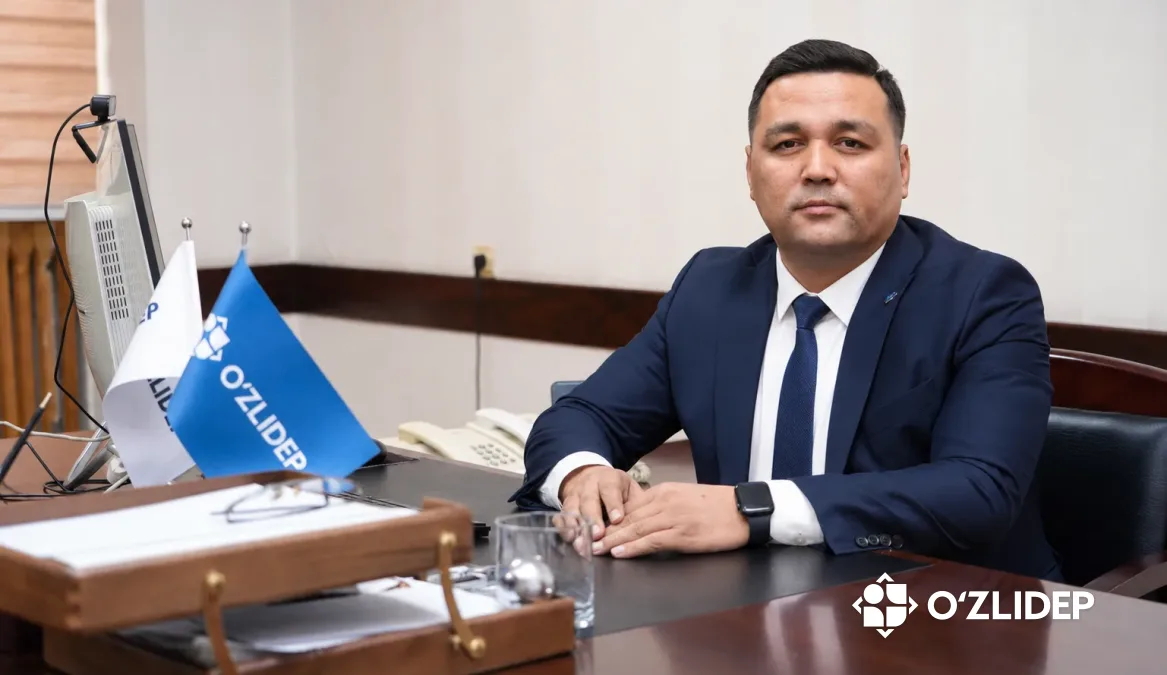
Sardor MARIPOV,
Head of the Department for Strategic and Program Documents, UzLiDeP
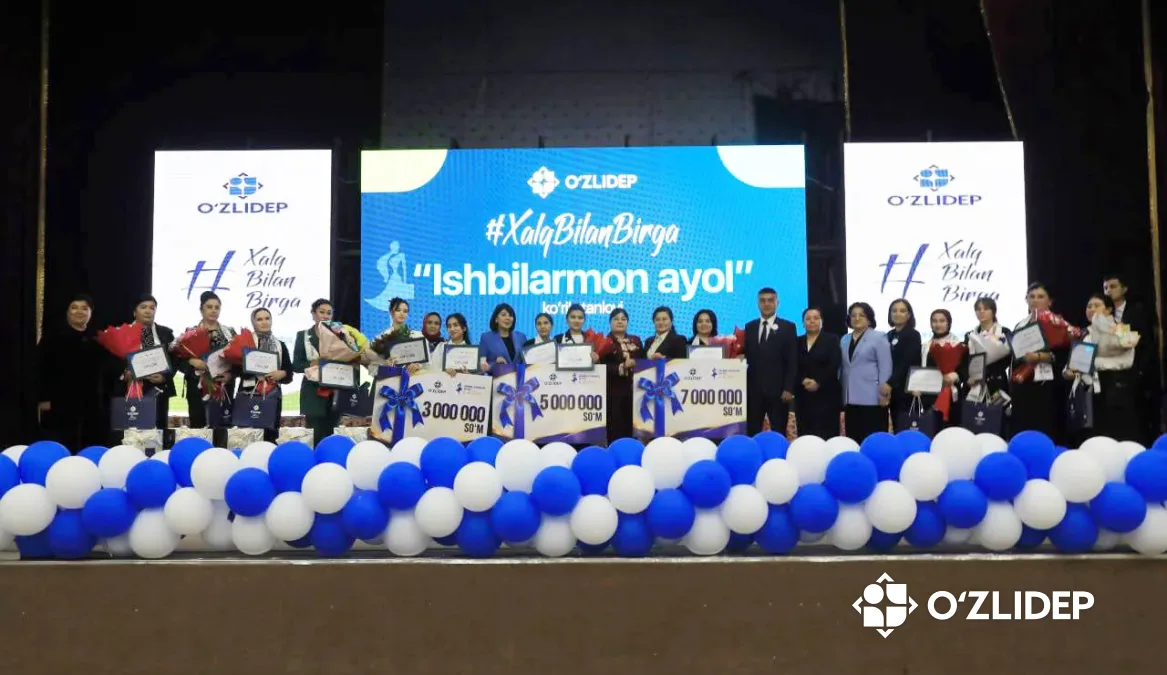
Winners of Businesswoman 2026 regional competition announced in Namangan
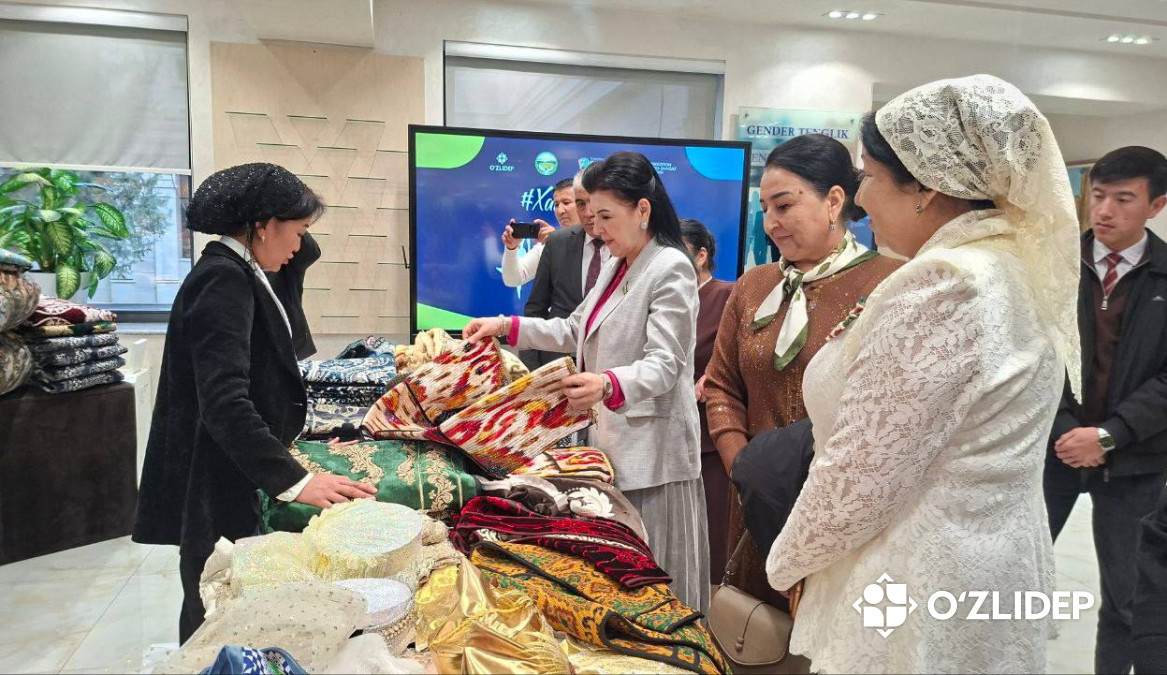
Businesswoman 2026: recognizing entrepreneurial potential, initiative and success
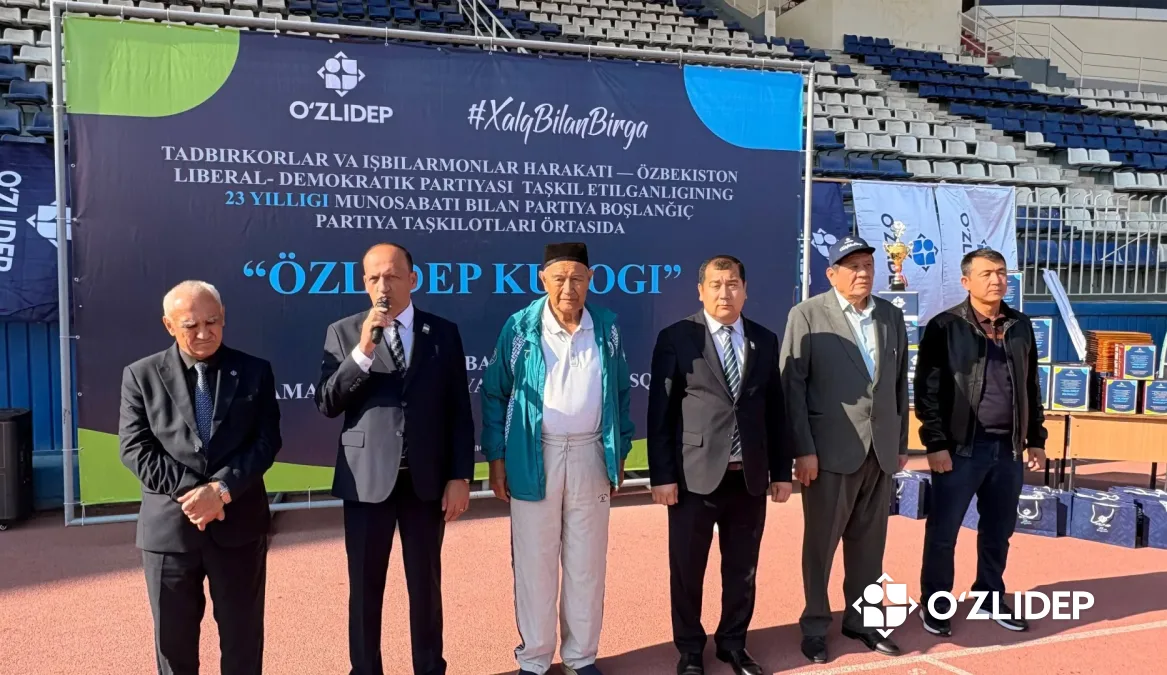
Samarkand regional stage of sports competitions held successfully
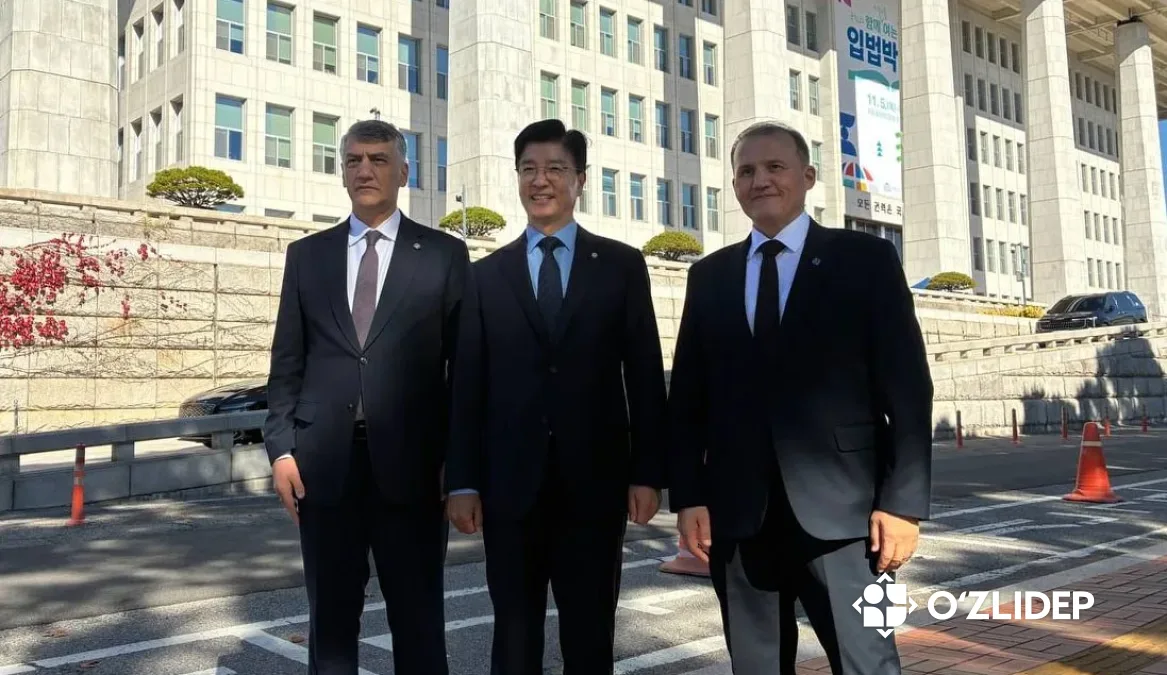
Uzbekistan delegation learns about the South Korean parliament’s work