




Sustainable economic growth results from consistent reforms
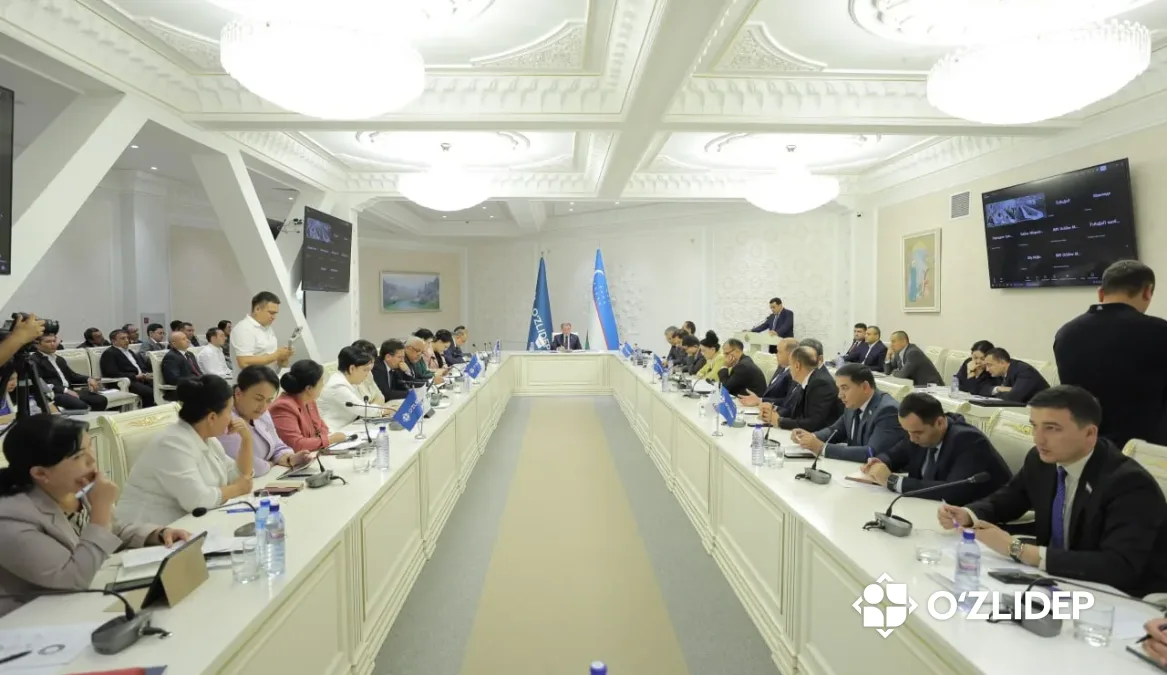
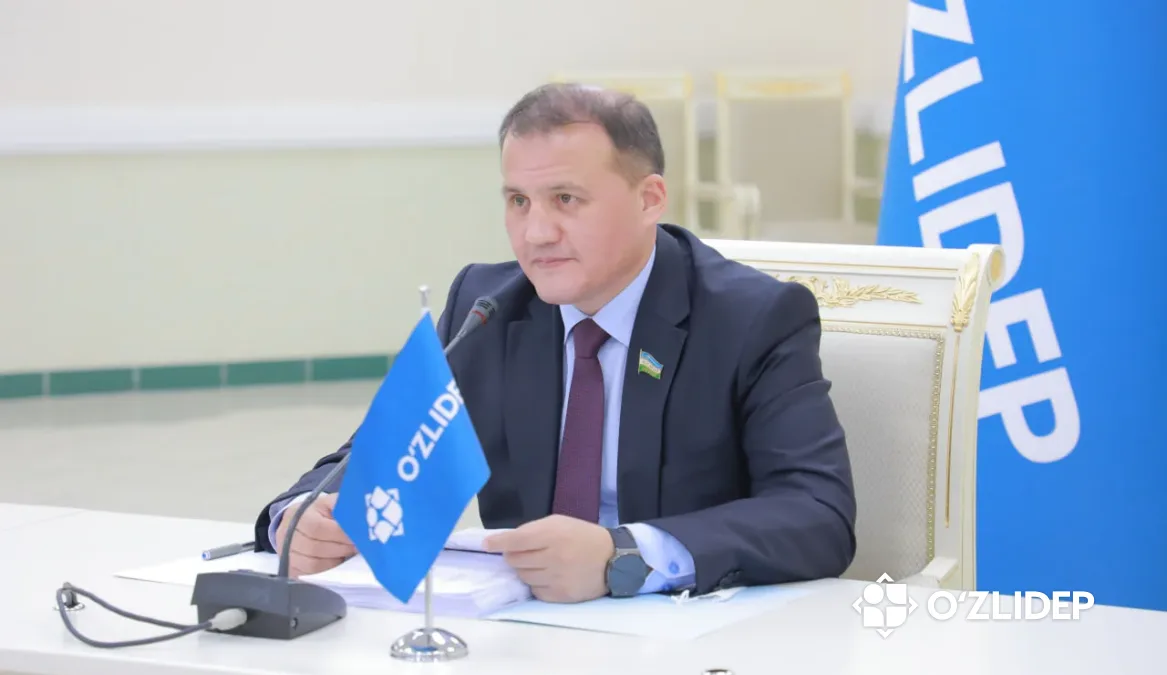
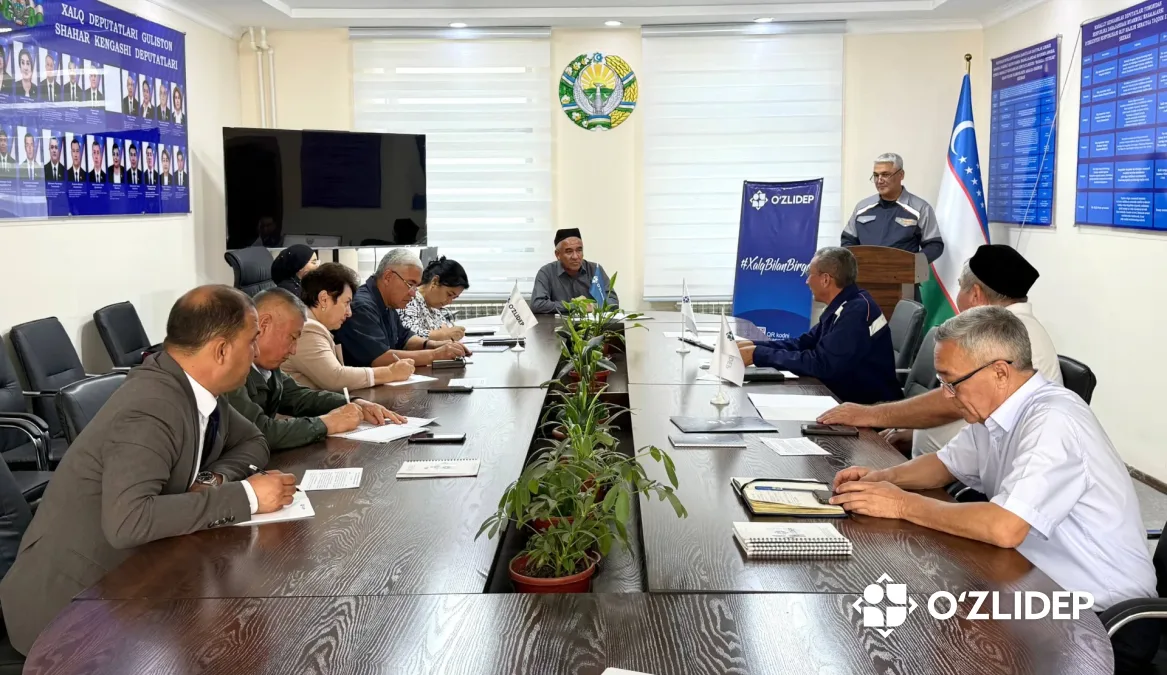
At a regular meeting of the UzLiDeP faction in the Legislative Chamber of the Oliy Majlis, the implementation of the State Budget of the Republic of Uzbekistan and the budgets of state-targeted funds for the first half of 2026 was discussed.
As noted at the meeting, amid growing global risks, shifts in external markets, and rising uncertainty in the world economy, Uzbekistan’s economy continues to grow steadily. Economic reforms underway in the country, including measures to improve the business and investment climate, make effective use of regional potential, and increase household incomes, are yielding results.
In particular, in the first half of this year, the country’s gross domestic product grew by 8.5 percent. Growth reached 16.9 percent in market services, 8.0 percent in industrial production, 13.8 percent in construction, and 4.7 percent in agriculture. These figures indicate sustained activity and stable growth across the economy’s key sectors.
Notably, during the reporting period, the population’s total income increased by 16.6 percent to 618.3 trillion UZS, remittances totaled $9.3 billion, and lending to the economy reached 702.9 trillion UZS. Foreign direct investment increased by 33.4 percent to $12.4 billion.
The main sectors of the economy recorded positive growth during the period under review. In January-June, industrial output totaled 637.2 trillion UZS. Retail trade turnover in the services sector reached 251.8 trillion UZS, while agricultural output totaled 271 trillion UZS and construction work amounted to 192 trillion UZS.
During the discussions, faction members noted that these results reflect the ongoing reforms in Uzbekistan to ensure economic growth and financial stability, improve living standards and public well-being, expand sustainable sources of income, and reduce poverty.
The faction members positively assessed the macroeconomic reforms being implemented in the country, the steady growth of budget revenues, and measures aimed at supporting business entities and creating a favorable business environment.
Proposals were also put forward to strengthen monitoring of the effectiveness of budget allocations and the achievement of target indicators, ensure strict compliance with deadlines for commissioning facilities included in investment programs, and conduct an in-depth assessment of the effectiveness of tax and customs incentives by sector and by enterprise.
Following the question-and-answer session, the report on the implementation of the State Budget and the budgets of state-targeted funds for the first half of 2026 was approved.