




The New Uzbekistan Begins with the Mahalla
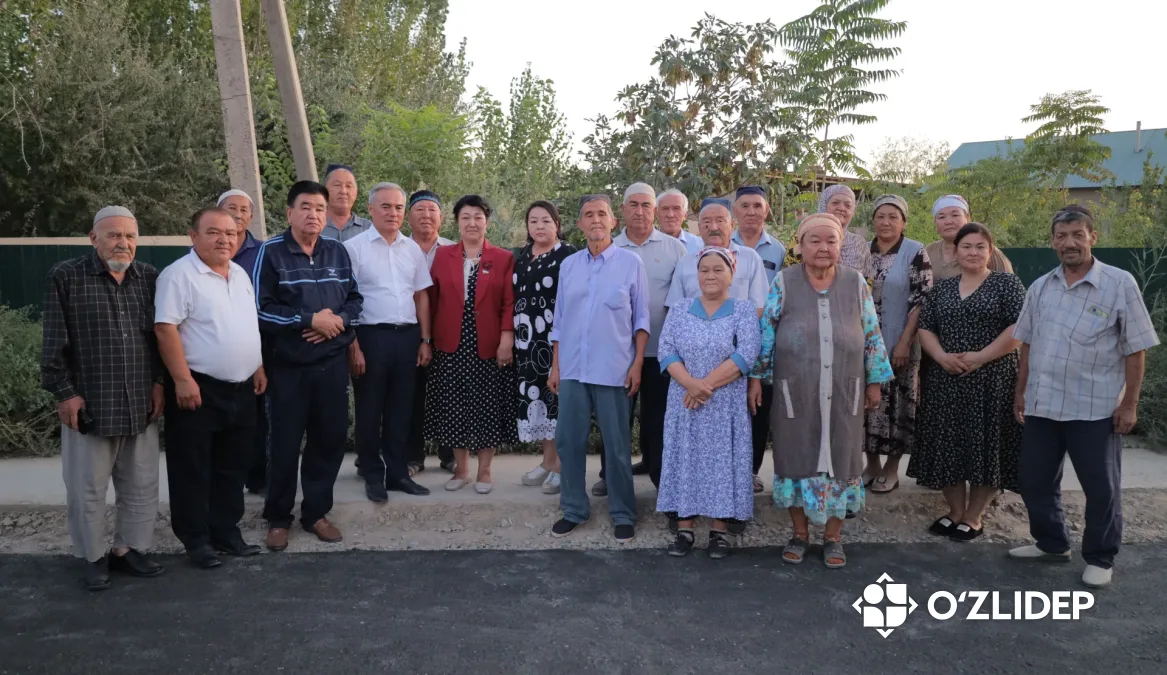
People assess change, first and foremost, through the life of their own household and mahalla. When drinking water reaches their street, when a kindergarten opens nearby for their children, or when a family member who has been looking for work finds decent employment, their confidence in tomorrow grows stronger. In this sense, developing the mahalla is one of the most important areas that connects the country's development with the everyday life of every family. The value of a decision and the effectiveness of allocated funds are ultimately measured by the changes they bring to people's lives.
The designation of 2026 as the “Year of Mahalla Development and Community Prosperity”, initiated by President Shavkat Mirziyoyev, has placed this approach at the center of state policy. In his Address to the Oliy Majlis and the people of Uzbekistan on December 26, 2025, the President emphasized the need for the results of reforms to be felt in all parts of the country and in the daily lives of every citizen.
The fact that the year's title combines the development of the mahalla with the advancement of society carries profound meaning. Economic stability within a family, a young person's access to education, social protection for older people, and solidarity among neighbors all affect the overall condition of society. Therefore, viewing mahalla policy merely as a matter of beautification narrows its meaning. Today's task is not only to create comfortable living conditions in a particular area, but also to open opportunities for people to realize their potential.
By September, it has become possible to analyze the year's decisions, assessments and field visits in an interconnected manner. They complement one another in addressing such issues as expanding the financial capacity of mahallas, revitalizing local economies, bringing services closer to residents, and increasing the accountability of officials.
The Practical Meaning of Attention to Mahallas
The President's visits to mahallas, during which he directly familiarizes himself with household conditions, entrepreneurial activities and social facilities, provide important information for governance. Overall indicators for a particular area may be positive, while problems such as water shortages on individual streets, difficulties in commuting to work, or the need for additional kindergartens may remain hidden. Direct dialogue on the ground helps reveal these differences and compare general programs with specific needs in particular locations.
The importance of this approach is not limited to the number of facilities inspected during a visit. The key issue is to determine whether a problem identified in one mahalla also exists in other areas, adapt an effective solution to their specific conditions, and regularly monitor implementation.
For example, at a meeting held on March 18 this year in Narpay district of Samarkand region, it was announced that $100 million had been allocated for the infrastructure of mahallas in Samarkand region, with an additional $50 million allocated to Urgut district. The task was set to analyze the economic potential, labor resources and professional skills of the population in each district and develop an internal development model for each area. It was emphasized that resources should be directed primarily toward projects capable of creating more jobs.
The conclusion arising from the Samarkand example is that before selecting a project for a mahalla, its economic potential must be understood. Planning based on calculations helps save resources, reduce risks for entrepreneurs, and create conditions for the actual establishment of the jobs promised to residents.
Similarly, work is under way to develop social and production infrastructure in the “Yangi Namangan” mahalla of Norin district, Namangan region, based on presidential instructions. According to information released by the Namangan regional administration on March 10, 2026, construction and beautification works were reviewed, and tasks were assigned to ensure the quality completion of projects and promote entrepreneurship. This information reflects the implementation process as of that date.
The fact that social facilities and production infrastructure are considered together in this experience is particularly important. A new building may improve services for residents, while a new enterprise or workshop may increase their income. When employment and services develop together in the same area, the costs of reaching work, education or necessary assistance also decrease. This is the economic meaning of comprehensive mahalla development.
When a Better Environment and Employment Develop Together
President Mirziyoyev's visit on July 13 to the “Do'stlik” mahalla in Bekobod city, Tashkent region, and to the area around the Khos Yoz canal demonstrated how beautification can be linked with economic activity. According to official information, a three-kilometer pedestrian path and two bridges were built along the canal, while 27 trade and service facilities were established, creating 167 permanent jobs. In the “Do'stlik” mahalla, service and catering facilities were opened through 1.1 billion soums in investment by entrepreneurs during the current year, creating 25 new jobs.
This example demonstrates two interconnected outcomes within a single area: a convenient place for people to walk and relax is created, while demand for services develops around it. Thus, a well-planned public space can also create opportunities for small businesses.
During the meeting in Bekobod, the President emphasized that the facilities being built must serve the population and that people should see the results of change in their everyday lives. This requirement can serve as a basis for evaluating any mahalla project.
On September 18 this year, as part of his visit to Karakalpakstan, the President visited the “Diyqan Arna” mahalla in Nukus district. There, a 60-place kindergarten was commissioned at a cost of 4.5 billion soums, while football and workout grounds were built using 1 billion soums from the local budget. A “Smart Mahalla” system has been introduced in the mahalla. As part of its specialization in beekeeping, more than 20 households are currently keeping bees; by the end of the year, another 100 households are planned to be involved in this activity through cooperation.
The Diyqan Arna example demonstrates the importance of linking an economic specialization in the mahalla with the practical experience of its residents. Beekeeping can generate additional activities such as processing and packaging honey, producing beehives and organizing sales.
The common feature of the examples from Samarkand, Namangan, Bekobod and Nukus is that infrastructure and household income are considered together in mahalla development. Although solutions differ from one area to another, the expected outcome is the same: a comfortable living environment and a stable source of livelihood for people.
The Effectiveness of Funding Is Reflected in Results at the Mahalla Level
It should be emphasized that at a presentation on June 22, information was provided on the system for working with 37 “difficult” districts and 915 “difficult” mahallas. It was noted that 12 trillion soums had been allocated from the republican budget to improve their infrastructure, while additional allocations had generated another 4 trillion soums in resources at the local level.
According to information presented at a meeting chaired by the President on July 16 this year, an average of 250 billion soums had been allocated to districts and 5.5 billion soums to mahallas to create conditions for infrastructure development and entrepreneurship. It was also noted that mahalla budgets had received an average of 150–200 million soums. Having their own sources of revenue enables mahallas to resolve smaller but significant issues for residents more quickly. For example, the process of repairing a dangerous walkway or renovating a mahalla recreation area can be shortened without a lengthy chain of approvals.
The Shared Responsibility of the Mahalla Chairperson and the Community
One of the important changes in mahalla governance is the role of the mahalla chairperson as the area's “economic customer.” Particular attention is now being paid to this issue: it is necessary to accurately identify needs, prepare projects and assign tasks to responsible organizations. In practical terms, this means turning a problem in the mahalla into a clearly formulated solution.
For example, following an appeal concerning the need for a kindergarten, the number of preschool-age children, the capacity of existing institutions, residents' ability to pay and the convenience of the location should be studied. Once such an analysis has been prepared, dialogue with a government institution or entrepreneur can have a clear and substantive basis. A chairperson does not have to be a specialist in every field, but must know how to bring together the necessary information, involve relevant experts and monitor progress.
Cooperation among the “Mahalla Seven” is also important at this point. A single family may simultaneously face unemployment, a child falling behind in education, and a need for social assistance. If each responsible person focuses only on their own area, the family's overall problem may remain unresolved. A unified action plan makes it possible to establish the sequence of assistance, reduce duplication of tasks and ensure that the solution is carried through to completion.
The participation of the mahalla banker is also important in this cooperation. At the July 16 meeting, bankers were tasked with identifying vacant jobs and professional requirements in their areas and connecting unemployed people with appropriate vocational training. This means that before organizing a training course, it is necessary to determine what kind of workers employers actually need. After the number of people completing training, the next important indicators are their employment and retention in their jobs.
An Economic Policy That Leads to Productive Employment
When discussing the development of entrepreneurship in mahallas, it is necessary to consider the full connection between providing loans, supplying equipment and creating jobs. Financial resources can help launch a business, but its sustainability depends on demand for products or services, skills, supplies and sales. Therefore, the economic prospects of each initiative should be assessed, and citizens should be informed not only about the opportunities available to them but also about the obligations they assume.
At the July meeting, it was reported that 18.5 trillion soums had been allocated to small projects during the first six months, with 110,000 microprojects implemented and employment provided for 259,000 people. At the same time, it was criticized that only two microprojects had been launched in each of 47 mahallas. These figures demonstrate the need to consider overall results together with the situation in individual mahallas.
At the same time, trying to turn every unemployed citizen into an entrepreneur would not necessarily be the right approach. Some people are prepared to run their own businesses, while for others a stable salaried job may be a more appropriate solution. Another person may first need vocational training or assistance in restoring their health. The advantage of the mahalla is that it can understand an individual's circumstances more closely and help identify a suitable path.
Measures to increase family incomes must also take into account the circumstances of women. A woman may have access to vocational training but no place to leave her child. In such a case, an employment program may not produce the expected results until the kindergarten issue is resolved. For young people, the availability of a job is important, but so is the ability to reach that workplace.
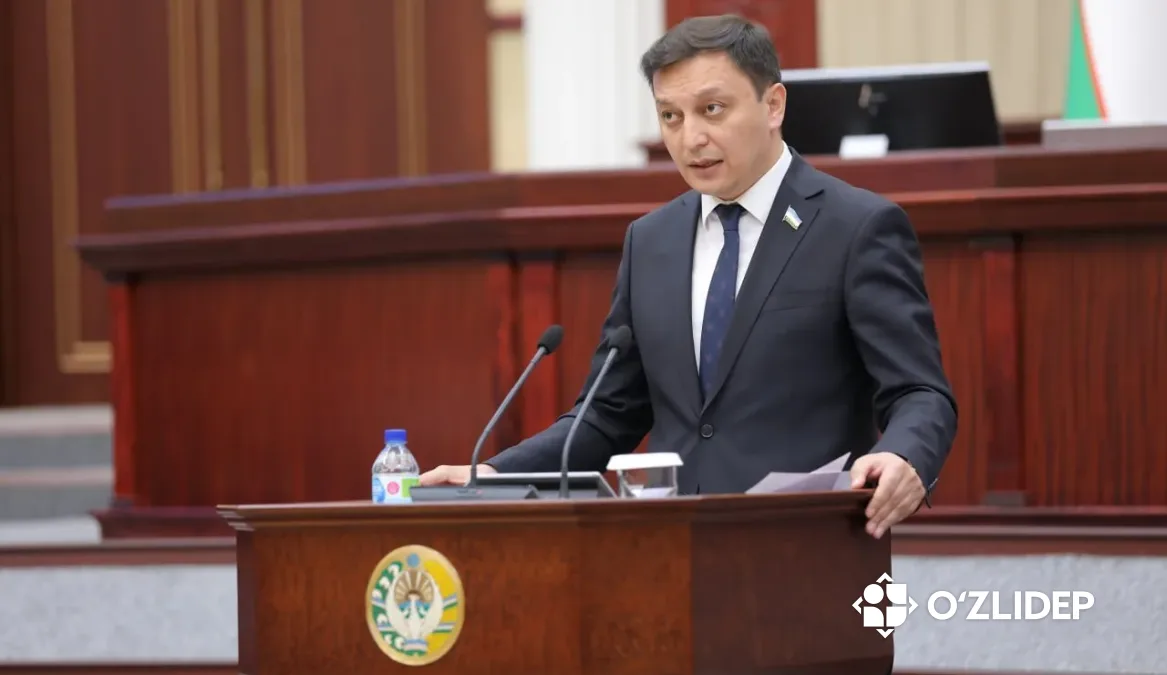
For us, as members of parliament, it is also important to connect dialogue with entrepreneurs to their impact on the life of the mahalla. It is necessary to determine how many people could gain employment by resolving an infrastructure problem that is hindering an enterprise and what professions may become in demand. Such an approach combines support for private initiative with the interests of the population. The social impact of creating favorable conditions for entrepreneurs in a mahalla should also be visible.
The Individual's Circumstances as the Main Criterion in Social Protection
The mahalla's role as a center of trust is particularly evident when working with families facing difficult circumstances. For a person seeking assistance, what matters more than which institution is responsible for the application is that their situation is fairly examined. Therefore, bringing social services closer to people's places of residence not only makes them more accessible but also increases the responsibility of employees for the citizen's situation.
At the meeting chaired by the President on July 16, it was criticized that in 184 mahallas all 2,000 applications received over the course of one month had been unjustifiably rejected. Tasks were set to monitor the proper maintenance of the Social Registry and to bring 25 types of social services down to the mahalla level by the end of the year. Such cases demonstrate the need to avoid formalism when assessing people's need for assistance and to explain the basis of decisions to citizens.
The accessibility of the mahalla is particularly important for persons with disabilities and elderly people who require care from others. Walkways, access to buildings and procedures for obtaining services should facilitate independent movement. This is why it is important to ask users themselves who can and cannot access the facilities when assessing the improvement of a mahalla. An open and accessible environment for everyone is a practical expression of social justice at the mahalla level.
Digital Governance Should Serve the Resolution of Citizens' Appeals
At the presentation on June 22, tasks were outlined to connect the information systems of 35 ministries and agencies to the “Digital Mahalla” platform, analyze appeals and establish rapid solutions to problems. This direction is important for improving information exchange between government bodies. Its benefit for citizens is reflected in reducing the need to repeatedly provide the same information and visit different organizations.
Measuring the results of digitalization only by the number of records entered into a platform provides a limited picture. It is also important to consider how long it took to resolve an appeal, what caused repeated appeals, and whether the citizen was informed of the outcome. If an electronic system frees employees from excessive reporting and gives them more time to work with people, its practical value increases.
Security and the Environment as Components of Everyday Well-Being
A peaceful and safe mahalla is an essential condition for family well-being. Well-lit streets, safe routes for children, timely assistance in cases of family conflict, and targeted work with unemployed young people complement one another. Therefore, preventive activities should not be limited to measures taken after an incident; it is important to study the conditions that may lead to risks in the first place.
At the July meeting, attention was also given to creating safe streets and walkways, providing psychological assistance to families, and working directly with people in need and unemployed citizens as part of crime prevention. The common purpose of these measures is to ensure that people are not left alone with their problems. Organizing young people's free time meaningfully, listening to their concerns and guiding them toward professions are important for achieving long-term results.
The environmental quality of the living environment is also becoming an integral part of mahalla policy. In proposals presented to the President on September 21, it was emphasized that the effectiveness of greening efforts should be assessed by looking at the condition of trees one, three and five years after planting. It was instructed that “green maps” be prepared for each mahalla, showing the types of seedlings, planting locations and irrigation systems. Particular attention was given to increasing the number of shade-providing trees in densely populated areas and along pedestrian paths.
A very important principle of assessing results is evident here: the subsequent condition of completed work must also be monitored. If the cost of planting trees is planned together with measures to preserve them, green spaces that residents can use for many years can be created.
The Importance of Parliamentary Oversight and Public Participation
For changes in mahallas to be sustainable, decision-making, implementation and public oversight must be interconnected. Oversight should not be limited to hearing reports that funds have been disbursed. The real outcome is revealed by questions such as: Was the project completed on time and to the required quality? Are residents using it? Has the problem actually been resolved? If work is delayed, it is necessary to determine the reason, bring the responsible institutions together around a solution and review implementation. This is where the effectiveness of parliamentary oversight is demonstrated.
The tasks set for 2026 and the practical examples from different regions show that the role of the mahalla in the country's development is expanding. Financial opportunities, employment programs, social services, digitalization and environmental initiatives are converging in one place — the mahalla where people live. Their integration is being strengthened, and the effectiveness of individual projects is also increasing.
Continuing the President's consistent attention to mahallas through practical results on the ground requires sustained effort from all of us. The mahalla chairperson, the “Mahalla Seven,” banks, local administrations and members of parliament all have their respective roles in this process. State-created opportunities can become real benefits for citizens only when the work of these institutions comes together in resolving the problems of an individual family.
The most reliable measure of the Year of Mahalla Development and Community Prosperity is a household with improved living conditions, a person with stable employment, a family receiving necessary services on time, and citizens who feel a sense of responsibility for the future of their own community. As such results become more widespread, the mahalla is becoming stronger as a center of trust, support and opportunity for people.
Abdullo Aslanov,
Member of the Legislative Chamber of the Oliy Majlis of the Republic of Uzbekistan,
Deputy Chairman of the Executive Committee of the Political Council of UzLiDeP