




From appeals to solutions, from ideas to results: UzLiDeP’s practical steps in a new era
The Liberal Democratic Party of Uzbekistan – a product of independence
In a country where private business and entrepreneurial thinking had been virtually eliminated for many years, independence brought a fundamental change in attitudes toward private property and private initiative. Broad opportunities emerged for people to build prosperous lives through their own work, knowledge, abilities, and entrepreneurial potential. Entrepreneurship began to expand across the country, while a class of property owners and a middle class, the economic backbone of society, gradually took shape.
This process also created a new reality in the country’s social and political life. A new social group emerged with its own businesses, property, workforces, and interests tied to its future, along with its own aspirations, outlook, and priorities. For entrepreneurs, issues such as economic freedom, the inviolability of private property, the rule of law, a competitive environment, a reasonable tax and administrative burden, and open and effective dialogue with government bodies became critically important.
It was as a natural response to this historical and social need that the Movement of Entrepreneurs and Businesspeople – the Liberal Democratic Party of Uzbekistan – emerged. In this sense, UzLiDeP may be described as a product of independence. The party’s establishment was directly linked to the need to represent the political interests of private property owners and entrepreneurs whose social group had taken shape in the country as a result of independence.
From its earliest days, UzLiDeP identified protecting private property, developing entrepreneurship, improving the business environment, and reducing state involvement in the economy as key political objectives. Notably, over the years these ideas have taken on practical substance through the party’s legislative initiatives, the work of its representatives in Parliament and local Councils, and its engagement with voters.
It should be noted that while UzLiDeP initially operated primarily as a representative of entrepreneurs’ interests, it later evolved into a strong political force bringing together all active segments of society around the goals of prosperity and development.
The Party’s election program as a political commitment
On the eve of the 35th anniversary of Uzbekistan’s independence, we sought to take stock of UzLiDeP’s activities at this new stage of the country’s development and to provide clear and concise answers to such questions as how active the party has been over the past year, what noteworthy work it has carried out, and whether it has lived up to the trust of its electorate.
When discussing the tasks entrusted to UzLiDeP, it is important to emphasize that the party’s 2025-2029 election program is a political commitment. The program’s goals – including expanding economic freedom, creating a more favorable environment for the private sector, generating new jobs, increasing the socio-economic activity of young people and women, and developing the digital economy and innovation – are closely aligned with the reforms being implemented in the country. However, the value of the program is measured not by how well it is written, but by the extent to which it is put into practice.
Supporting entrepreneurship — the party’s consistent priority
UzLiDeP’s political identity cannot be separated from its role in representing entrepreneurs’ interests.
From the party’s perspective, support for the private sector today is not limited to simply “granting benefits to entrepreneurs”. Business growth, competition, access to finance, exports, infrastructure, human resources, digital technologies, and entry into foreign markets have become closely interconnected issues. The party regards entrepreneurs as a key driving force in the country’s development. Accordingly, in 2025, the party and its deputy groups placed particular emphasis not only on explaining the substance of the objectives set by the state and the government, but also on reviewing how those objectives were being implemented.
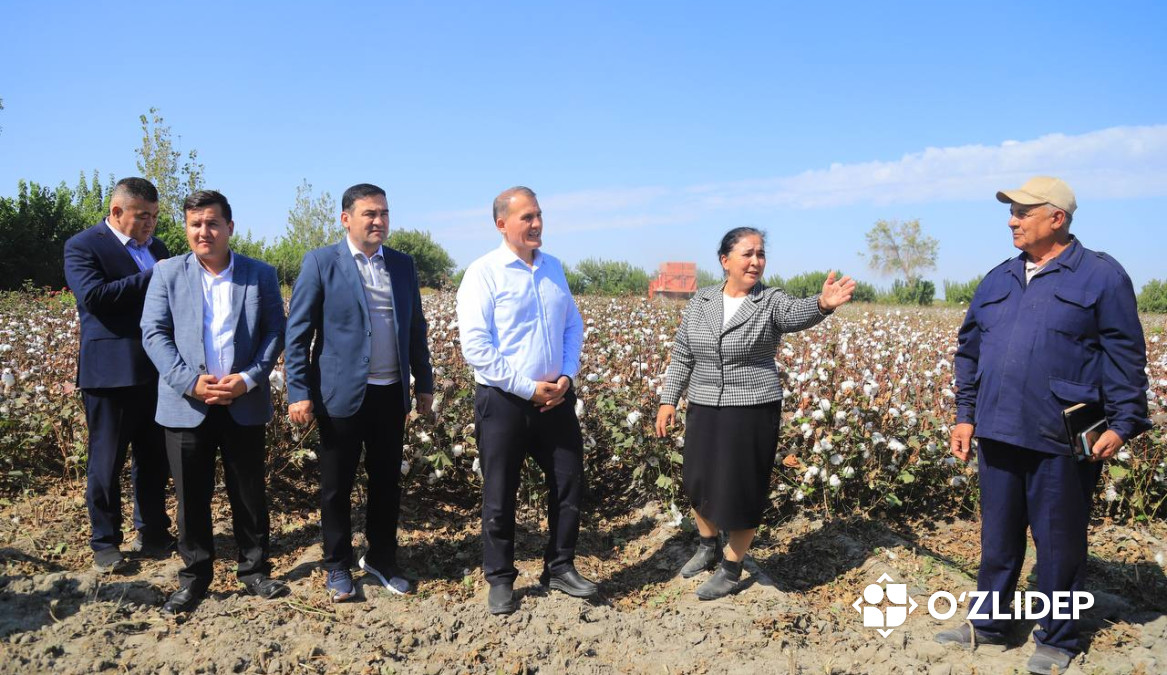
For example, at meetings with entrepreneurs held in Andijan at UzLiDeP’s initiative, participants discussed simplifying permit procedures, addressing infrastructure-related problems, and making effective use of tax and financial incentives. Working groups of deputies, entrepreneurs, and specialists were established in the regions, and efforts to examine problems on-site were intensified.
In Surkhandarya, the challenges faced by private educational institutions, manufacturing and export-oriented enterprises, and craftspeople were studied. Most of the issues were gradually resolved. Such dialogue demonstrates the party’s approach to the difficulties facing entrepreneurs based on the principle of “appeal – problem – solution”.
In Namangan, meetings between our deputies and enterprises operating in a small industrial zone were also significant in this regard. Issues related to expanding production, increasing exports, making efficient use of local raw materials, and creating new jobs were discussed directly at the enterprises, and solutions were developed.
On August 18, 2026, the President held his sixth open dialogue with entrepreneurs in Khiva.
For the party, the dialogue was particularly significant because it clarified the future direction of its activities. Initiatives to limit excessive interference in business activities, protect businesses from unjustified inspections, introduce warnings for first-time violations, rationalize fines, reduce licensing and permit requirements, and strengthen the principle of fairness in relations between the state and entrepreneurs align with the priorities set out in UzLiDeP’s election program.
These issues have now also become priorities for the party. One of the key tasks facing the party’s faction and deputies in the coming years will be to use parliamentary and public oversight mechanisms effectively to monitor how adopted decisions are implemented locally, ensure that opportunities granted to entrepreneurs are fully realized in practice, and prevent administrative barriers from re-emerging. After all, for entrepreneurs, freedom also means, first and foremost, being able to work without undue disruption.
Meetings are not the measure of a deputy’s effectiveness
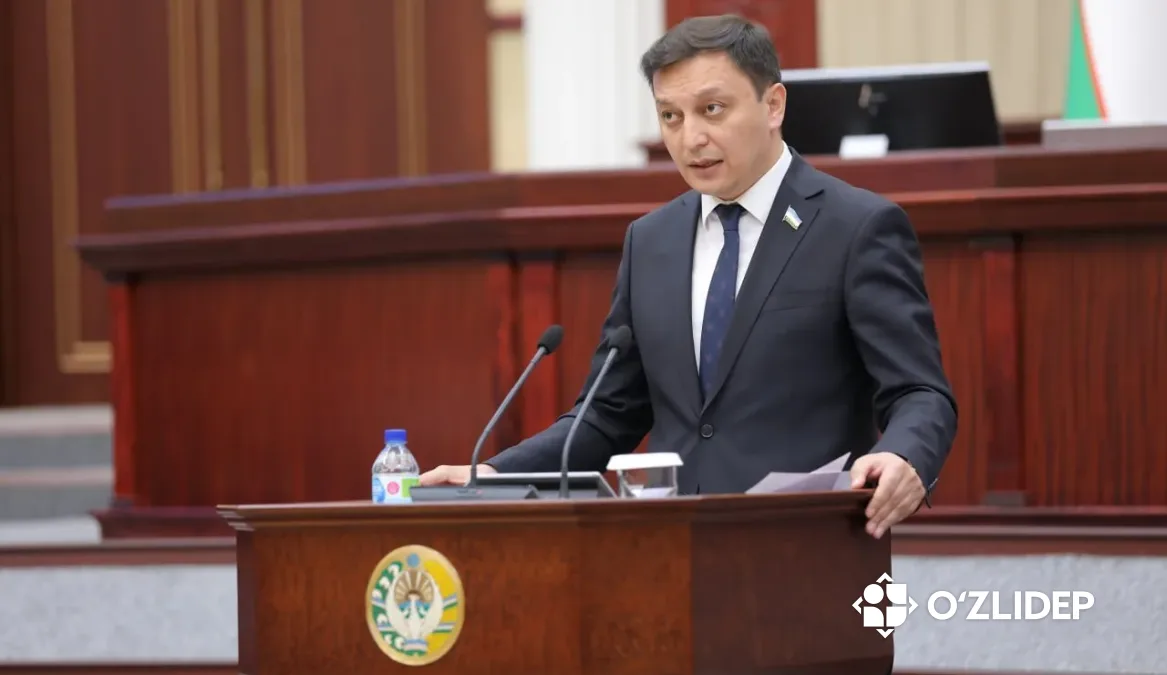
The recent period was also productive for the party’s 64 deputies in the lower house of Parliament in advancing its program objectives. Voters expect their representatives not only to make laws, but also to monitor how adopted legislation works in practice. In this regard, during 2025 the UzLiDeP faction in the Legislative Chamber submitted six parliamentary inquiries and 36 deputy inquiries based on appeals from voters. Deputies held 2,786 meetings and engaged with more than 65,000 citizens, including representatives of 14,900 business entities. They also examined 7,152 households, 3,405 business entities, and 2,625 social-sector facilities.
These figures illustrate the scale of the deputies’ work. However, the effectiveness of a deputy’s activity is determined not by the number of meetings held, but by the extent to which problems are resolved. For this reason, alongside strengthening parliamentary oversight, particular attention is being paid to consolidating appeals from voters and identifying systemic issues within them.
One example is the discussion of quality and safety in the construction sector with the participation of the party faction and deputies. The sector’s problems were studied, and proposals were developed to improve legislation, strengthen oversight, and introduce digital technologies. The assessments identified 396 facilities that failed to meet required quality standards, and legal claims were filed with the courts in more than 200 cases.
Deputies are now actively involved throughout the entire process – from raising a problem to developing legal and other mechanisms for resolving it.
New approaches improve effectiveness
In line with the transformations taking place in New Uzbekistan, the party is continuously improving its working methods. In particular, this year has placed special emphasis on strengthening human-resource capacity within the party system. During the first stage of training, 191 heads of administrative offices of district and city party councils received special certificates.
This initiative marked an important step toward professionalizing the party’s grassroots structures. After all, instructions and ideas developed by the central office can produce concrete results at the local level only when qualified personnel have the knowledge and skills needed to implement them.
Another change became evident in 2026: the forms of public engagement not only expanded but also evolved into permanent mechanisms. The launch of projects such as the “Call Center”, “Business Club”, and “Open Conversation with a Deputy” created new opportunities for the party to systematically receive proposals and appeals, analyze them, and refer them to the relevant authorities. Through these mechanisms, the party is strengthening its engagement with the public and representing its electorate’s interests more effectively.
“Together with the People” – supporting thousands of citizens
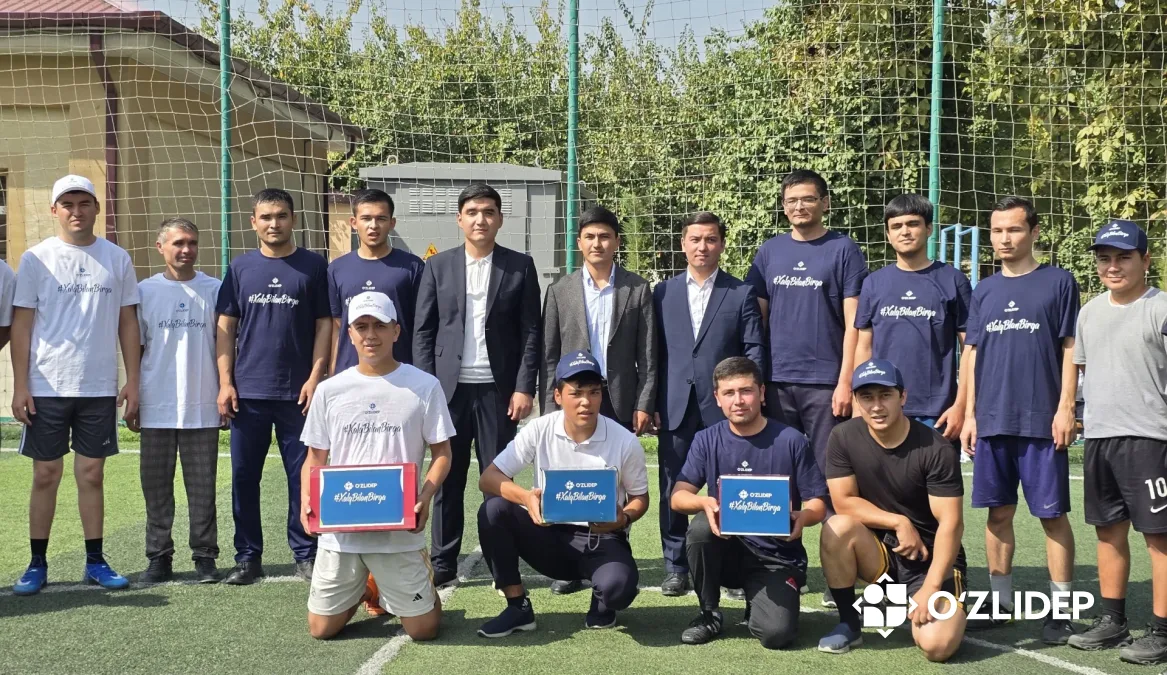
The nationwide “Together with the People” program, launched at UzLiDeP’s initiative on April 2, 2026, became a practical platform for strengthening direct public engagement.
The program set out tasks including door-to-door identification of people’s concerns, working with entrepreneurs, contributing to poverty reduction, encouraging young people and women to engage in economic activity, and expanding open dialogue with the public.
As of August 1, the program had reached 768,655 households, while 82.3 percent of 188,149 identified problems and appeals had been resolved, demonstrating the scale of the work carried out under the initiative.
Another key area of the program was direct public engagement through outreach receptions. Mobile headquarters were established in all 14 regions of the country, and outreach receptions were organized in 130 districts and cities. Around 26,200 citizens and entrepreneurs took part. Of the 10,417 problems identified during these receptions, 73 percent were resolved on the spot, while others were reviewed for further consideration. In addition, more than 52,000 people were enrolled in various training programs, 1,500 citizens received practical assistance in obtaining preferential loans and subsidies, 1,020 participants launched family entrepreneurship projects, and 790 secured permanent employment.
Behind these figures are the specific problems, circumstances, and needs of thousands of people.
At an outreach reception held in Baliqchi district of Andijan region, 400 residents took part, and 84 of more than 150 appeals raised during the event were resolved on the spot. At a similar reception in Tashkent’s Mirabad district, more than 300 citizens participated, and the party resolved nearly 100 problems. People are not coming to the party seeking help. Rather, the party itself is reaching out to citizens.
Another important result has been the broad involvement of entrepreneurs, representatives of the party’s electorate, in social initiatives. Under the program, more than 38,000 entrepreneurs participated as sponsors, providing material and financial assistance worth 45 billion UZS. A total of 1,873 low-income families were placed under the patronage of entrepreneurs, while 3,589 unemployed citizens were provided with jobs.
These figures demonstrate that the party’s approach to social responsibility is being translated into practice. The party is seeking not only to meet people’s immediate needs, but also to create opportunities for them to secure a sustainable source of income for the future.
The program is also enriching the party’s experience of working with the public and stimulating greater legislative activity in response to some of the problems identified.
The goal is to increase the participation of women and young people in society
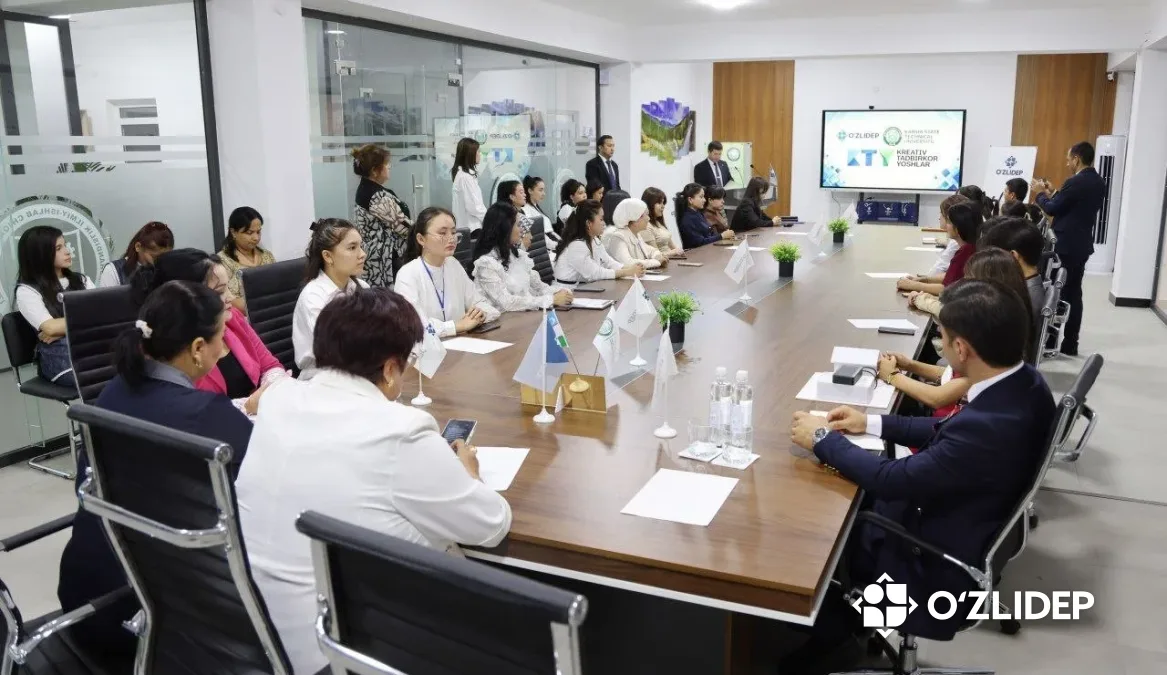
In 2026, the party placed particular emphasis on economic and technological areas in its work with young people. Under the “Creative Young Entrepreneurs” project, young people are being encouraged to develop startup ideas, small business plans, digital technologies, and other initiatives. In Karakalpakstan, 3,228 young people from 263 mahallas took part in the district and city stages of the project with startup, entrepreneurial, and social projects.
This approach is also reflected in 101 new projects developed by the party. Notably, the party’s program objectives are being linked, through new approaches, to concrete initiatives put forward by residents, entrepreneurs, young people, and women.
Positive changes are also evident in the party’s work with women. Selection stages of the “Businesswoman of the Mahalla” project were held in 7,450 mahallas, involving nearly 50,000 women, with around 43,000 promising women entrepreneurs selected.
Dozens of other projects implemented by the party’s Youth and Women’s Wings aim to encourage young people and women to become more active participants in society’s social and political life.
International cooperation continues to expand
Uzbekistan’s growing international standing is also reflected in cooperation between political parties.
Over the past year, UzLiDeP has intensified its ties with foreign political parties. Examples include the signing of memoranda of cooperation with Belarus’s Belaya Rus party and Japan’s Liberal Democratic Party, as well as continued dialogue with a leading political party in Türkiye.
Political parties are also exchanging experience in such areas as electoral technologies, public engagement, party development, policies concerning women and young people, and political support for economic reforms.
In June 2026, UzLiDeP representatives attended the 45th meeting of the Standing Committee of the International Conference of Asian Political Parties (ICAPP), held in Ulaanbaatar. During the meeting, participants supported initiatives to amend the organization’s charter, expand the Standing Committee’s composition, and include Uzbekistan’s leading party. This demonstrated our party’s growing role in inter-party dialogue across Asia. It also opens up new opportunities to share Uzbekistan’s experience with other countries and study their advanced approaches.
What will the party focus on in the near future?
The work carried out over the past year demonstrates the party’s considerable potential and its ability to respond to the challenges of a new era.
What will the party focus its efforts and resources on going forward?
First, UzLiDeP aims to strengthen the system for monitoring implementation of its election program. The system will be restructured around a key question: what has actually changed in the lives of citizens and entrepreneurs?
Second, the party needs to enhance its analytical capacity. Based on the thousands of appeals it receives, door-to-door surveys, and materials gathered through parliamentary oversight, it needs to build a database and develop analytical conclusions to help shape future policy.
Third, the tasks outlined during the August 18 open dialogue with entrepreneurs should become a key part of the party’s agenda in the coming years.
Fourth, the party’s grassroots structures need strengthening.
Fifth, the party should set higher standards for deputies’ professional training.
If independence brought UzLiDeP onto the political stage, the era of New Uzbekistan places on the party the responsibility of turning ideas into results and appeals into solutions. From now on, the party’s role in society will be measured not by the number of events it holds, but by tangible changes in the lives of entrepreneurs and citizens. The most important task ahead is to establish this principle across every level of the party’s activities.
Sardor Maripov,
Head of Department for Strategic and Program Documents,
Executive Committee of the UzLiDeP Political Council