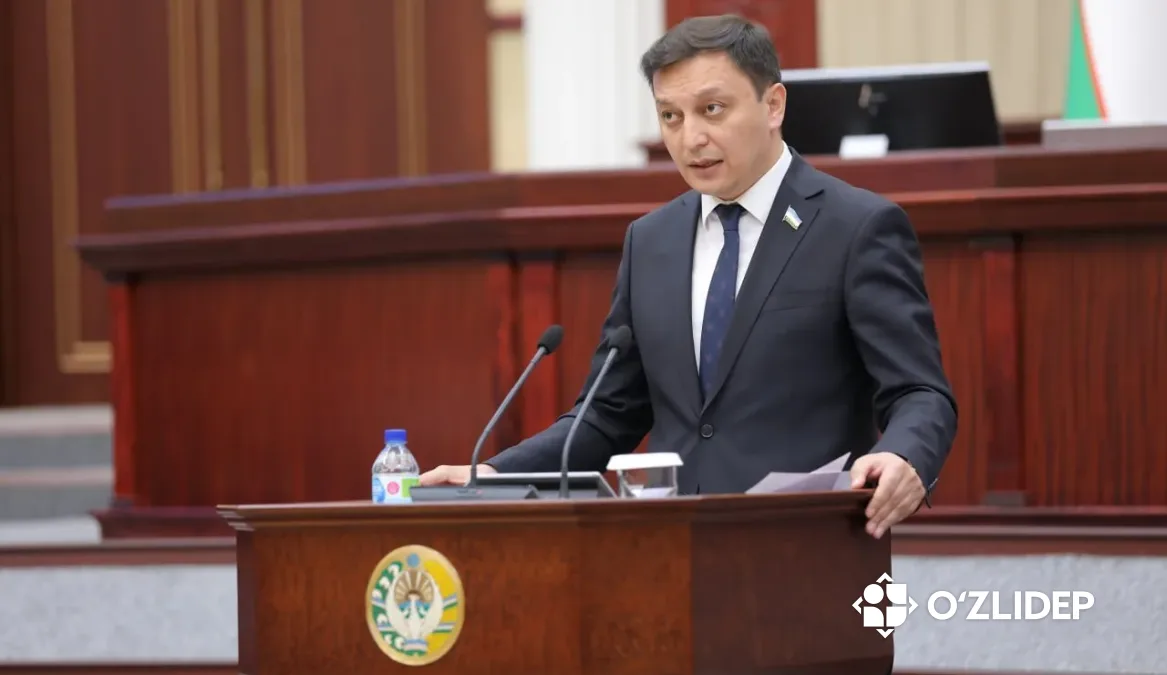





Implementation of the law under parliamentary oversight
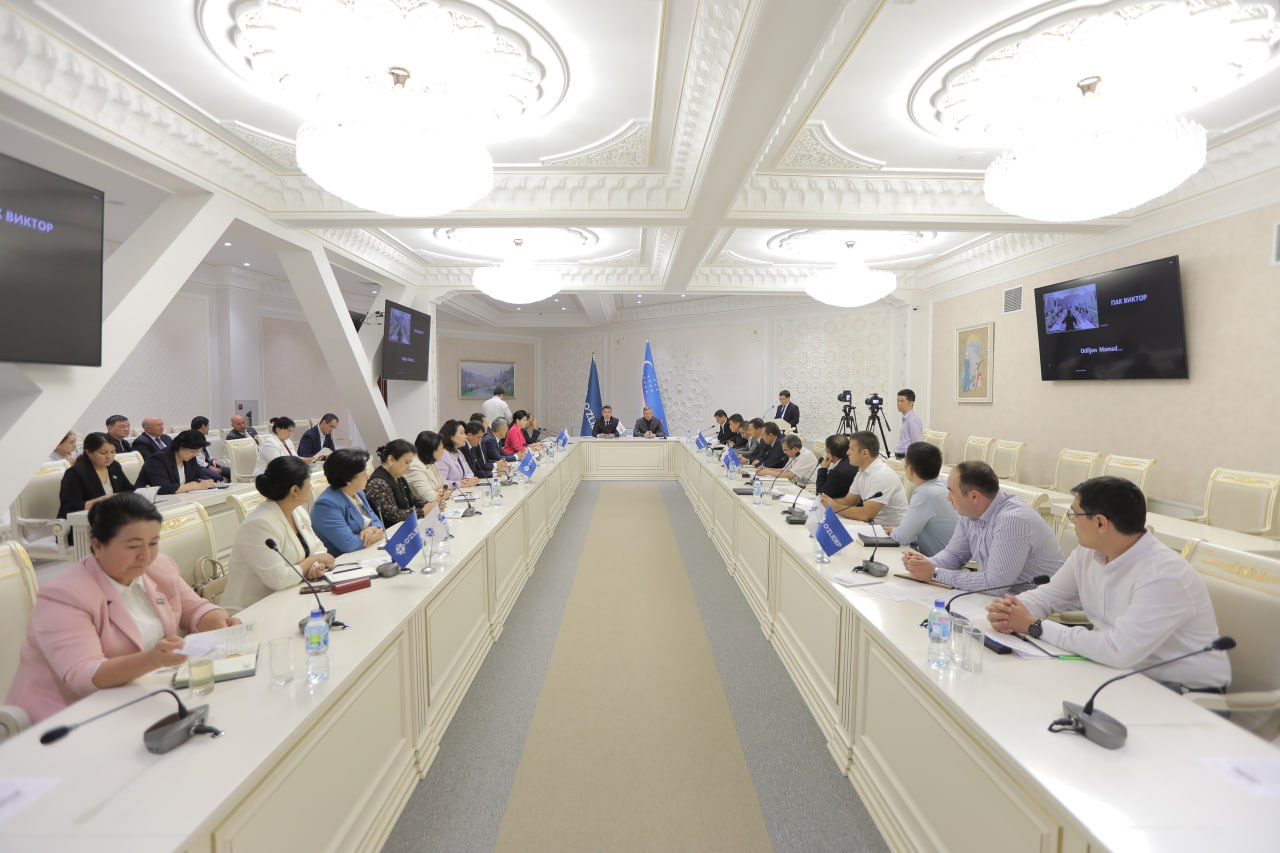

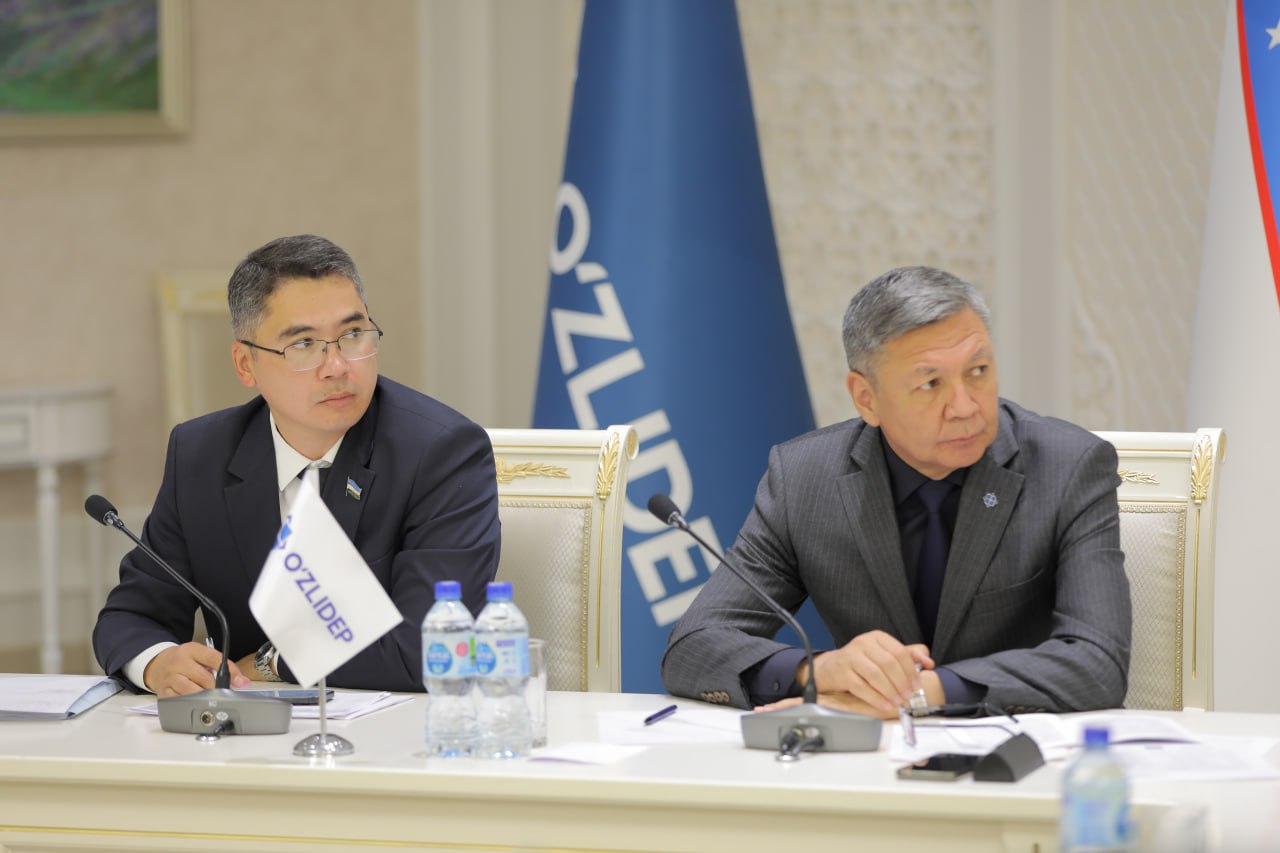
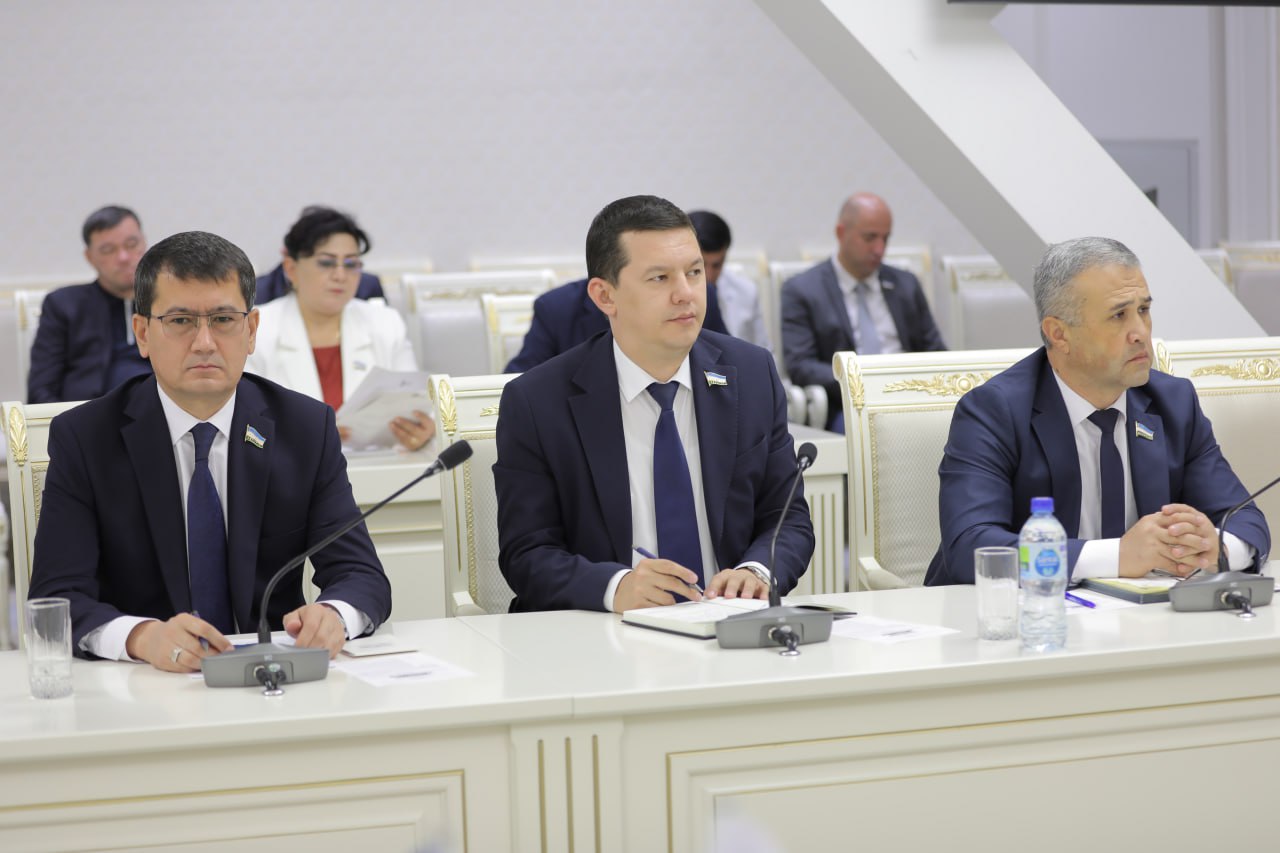
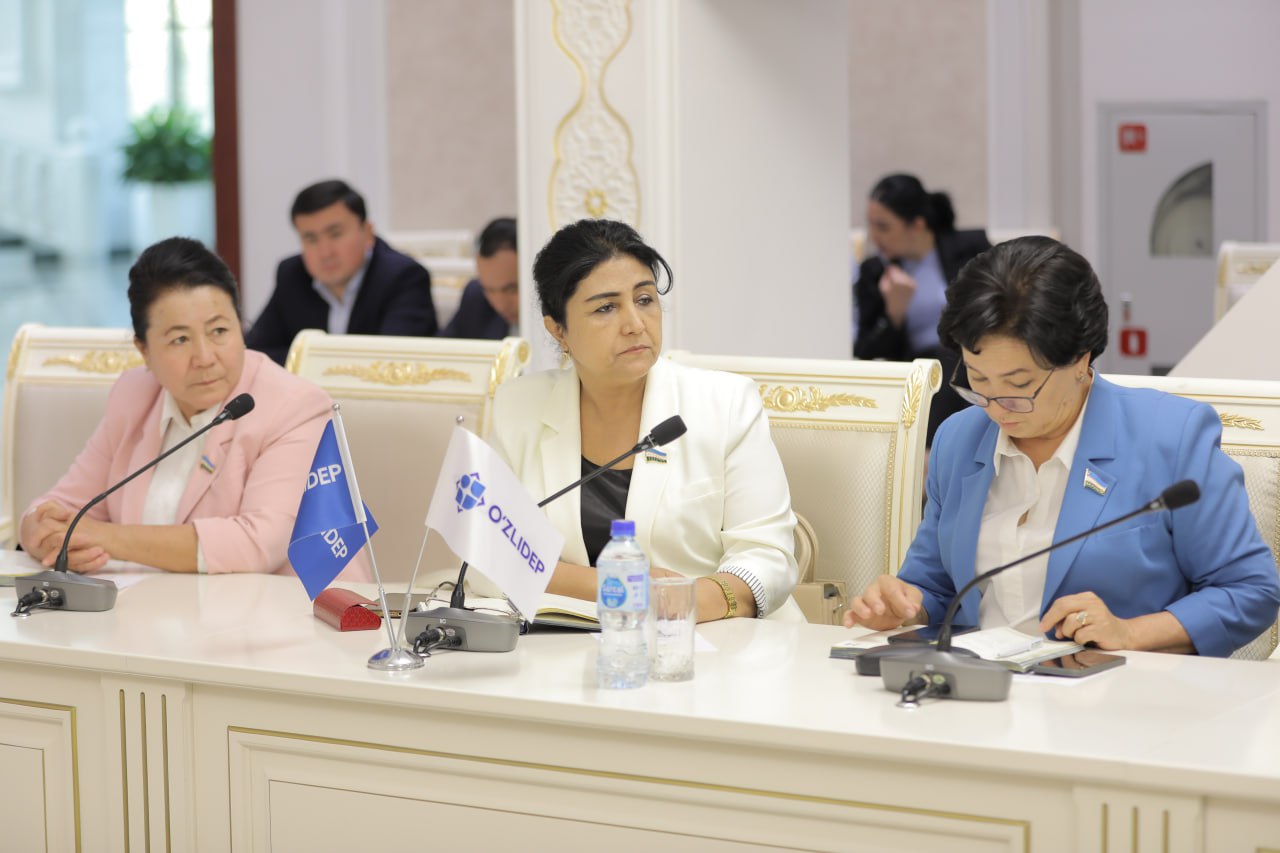
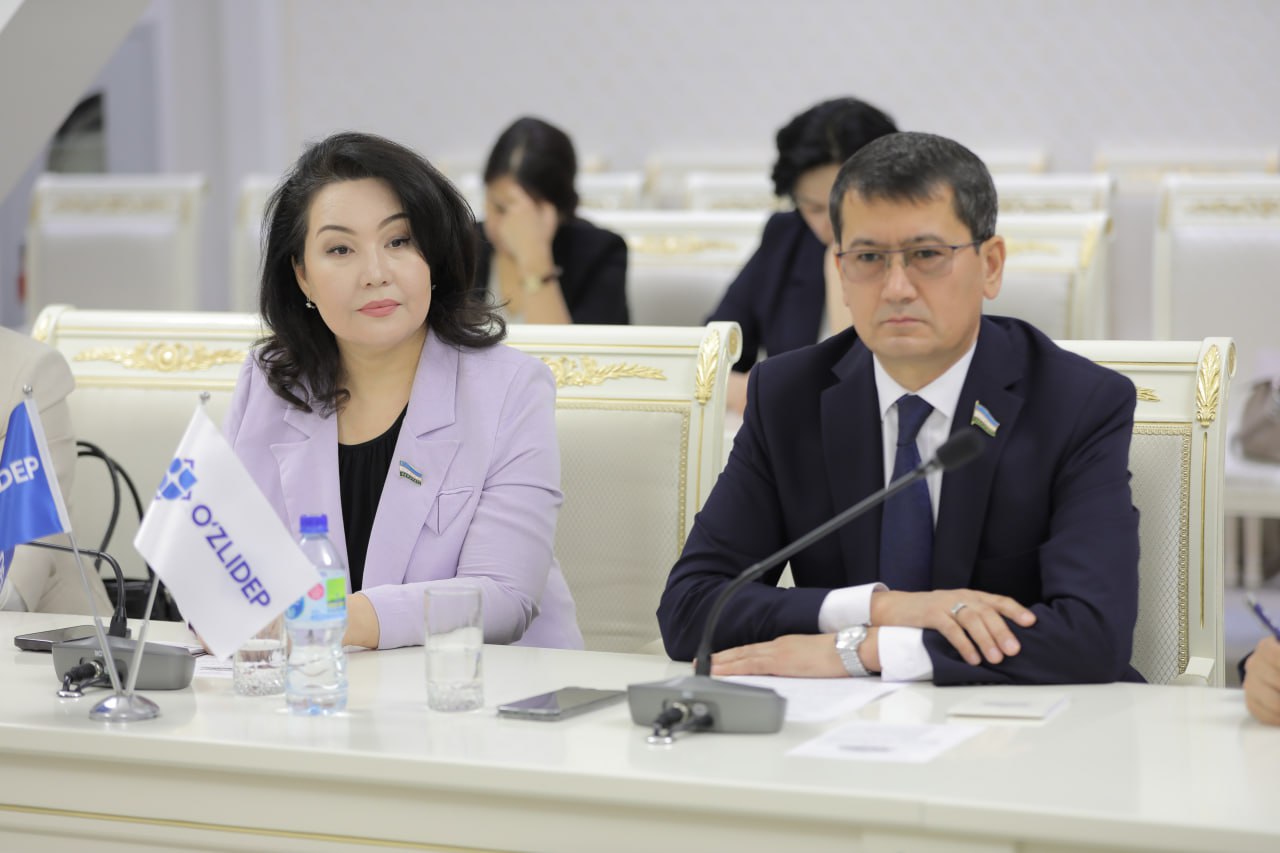
An expanded meeting of the UzLiDeP faction in the Legislative Chamber of the Oliy Majlis, as well as the Committee on Entrepreneurship, Competition Development, and Industry, was held.
The event was attended by members of parliament, representatives of the Ministry of Justice, the Tax Committee, the Cadastre Agency, the Space Research Agency under the Ministry of Digital Technologies, the Ministry of Energy, as well as members of the media.
The participants discussed the results of oversight and analysis of the implementation of the law “On the recognition of rights to land plots arbitrarily occupied and to buildings and structures constructed on them”, using the example of Andijan region.
As emphasized, in recent years, comprehensive measures have been taken nationwide to ensure the rational and targeted use of land plots. This law has enabled the legal recognition of housing and land plots that, for various reasons, had been constructed or occupied over the years without possessing complete legal documentation.
According to the law, if an individual residential house was built on a land plot occupied before July 1, 1998, the lease right is recognized for up to 0.24 hectares in all regions. For land plots occupied from July 1, 1998, to May 1, 2018, the maximum size is set at 0.06 hectares in Tashkent, Nukus, and regional centers, and 0.12 hectares in other areas.
In accordance with the law, the process of step-by-step inventory of arbitrarily occupied land plots and the buildings and structures constructed on them is carried out annually.
At the meeting, reports were presented by the relevant ministries and agencies on the implementation of this law. It was noted that this law is a truly unique document, as it clearly defines the primary conditions for recognizing rights to land plots and property.
According to the information provided, as of September 16, 2025, more than 680,000 facilities nationwide had undergone an inventory. Of these, nearly 280,000 facilities were entered into the automated information system. Rights were recognized for 9,089 facilities, while 5,050 applications were rejected. Approximately 1,700 facilities are currently under review in the Councils of People’s Deputies.
During the hearing, it was noted that the results of studies conducted in the regions, including oversight and analytical work carried out in Andijan region, revealed several systemic problems in ensuring the implementation of the law. In particular, it was noted that the data coordination process in the “E’tirof” information system is excessively slow, land plots located within protected zones are being rejected in their entirety, satellite imagery is insufficient, and citizens are facing significant organizational difficulties.
It was also emphasized that in some regions, the inventory process is not being carried out according to schedule, and high tax rates are causing public discontent. Based on this, the need was emphasized to conduct national-level studies and thoroughly analyze public opinion.
Members of the faction presented several proposals to address shortcomings in the law’s implementation, to consider the population’s interests, and to ensure the practical application of legal norms in practice. For example, it was noted that additional payments and outstanding tax debts associated with the recognition of property rights are creating difficulties for citizens. In this regard, it was emphasized that the tax burden should be reconsidered and more favorable conditions should be created for the population.
It was also reported that the problems identified in the course of studies in Andijan region are characteristic of other regions of the country as well. It was stressed that there is no unified regulatory approach to recognizing rights to land plots and buildings located in protection zones, and that various irregularities are being observed in the registration of cadastre documents.
During the discussions, members of parliament emphasized the need for the responsible ministries and agencies to strengthen transparency and consistency in the implementation of the law, reduce bureaucratic obstacles in the process of recognizing rights, improve the “E’tirof” information system, and address regional issues at the level of central authorities.
It was also noted that, given the specific nature of this law and the fact that its benefits will expire on January 1, 2028, opinions were exchanged with the relevant ministries and organizations regarding the introduction of amendments and additions to specific articles of the law. Several proposals were made.
In conclusion, an appropriate resolution was adopted on this agenda item.